

Gift guide
Gifts for Electrical Engineers
Useful Tools for the Electronics Bench
Choose gifts for electrical engineers by the capability missing from their bench, with USB meters, a scope, logic analysis, audio tools and exact kit checks.
By thisMETER EditorialUpdated November 3, 20268 min read3 picks
Our recommendation: Plugable USBC-VAMETER3
Best small charging gift
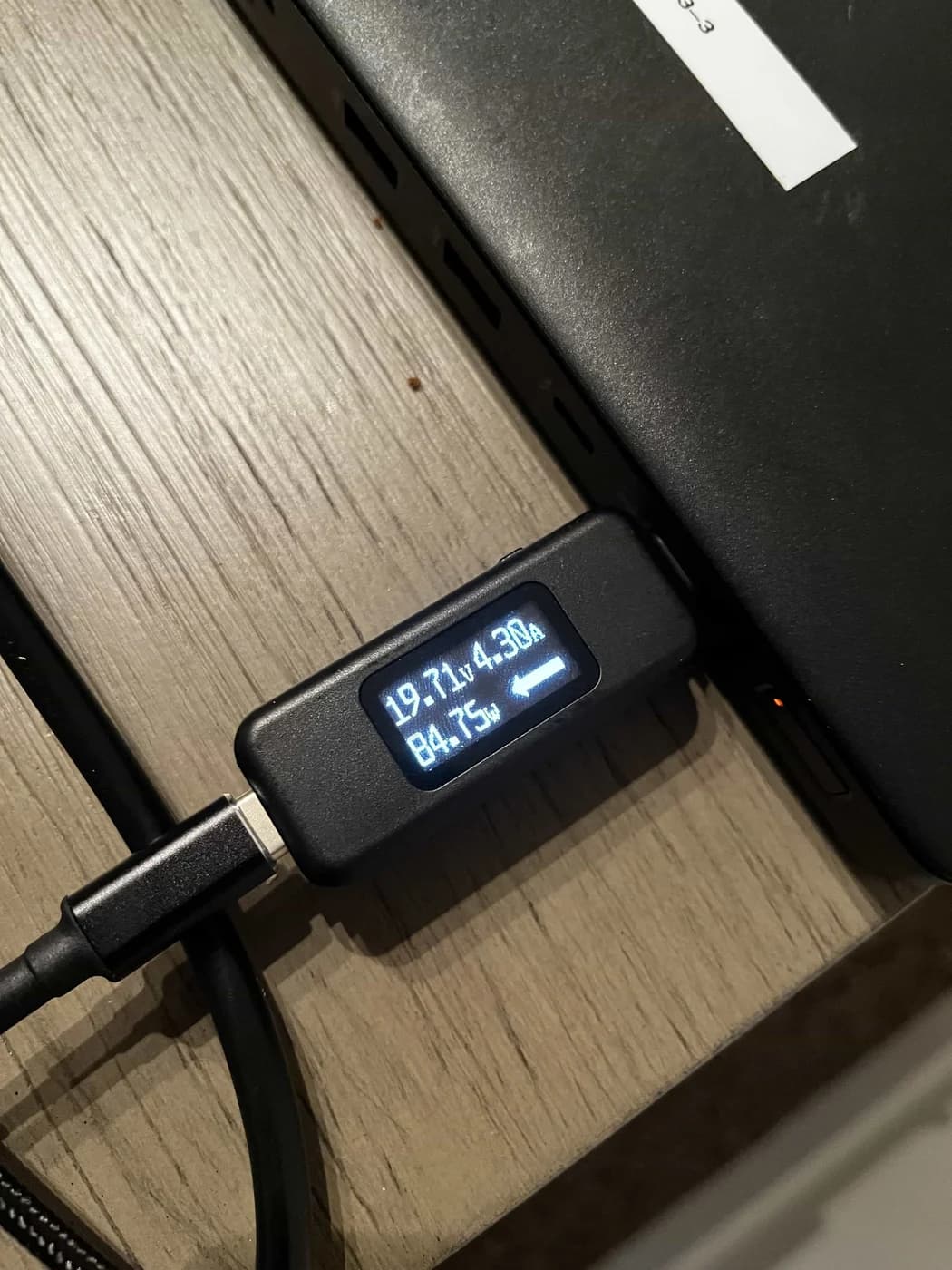
Limit: Shows volts, amps, watts and direction only: Plugable lists no energy totals, PD profile readout or e-marker test
On this page · Our picks at a glance
Our picks at a glance
- 1
Choose for: Best small charging gift
Check before buying: Shows volts, amps, watts and direction only: Plugable lists no energy totals, PD profile readout or e-marker test
- 2
Choose for: Best for charging diagnosis
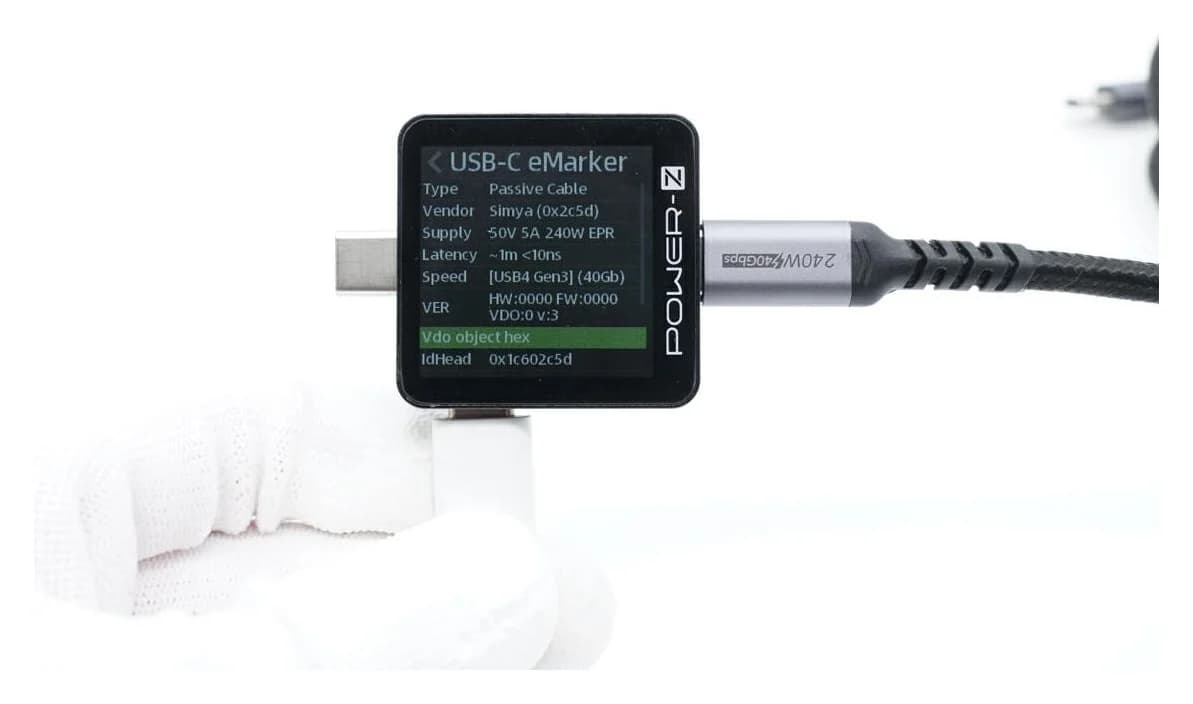
Check before buying: No reverse-voltage protection, per ChargerLAB's manual
- 3
Choose for: Best if they lack a multimeter
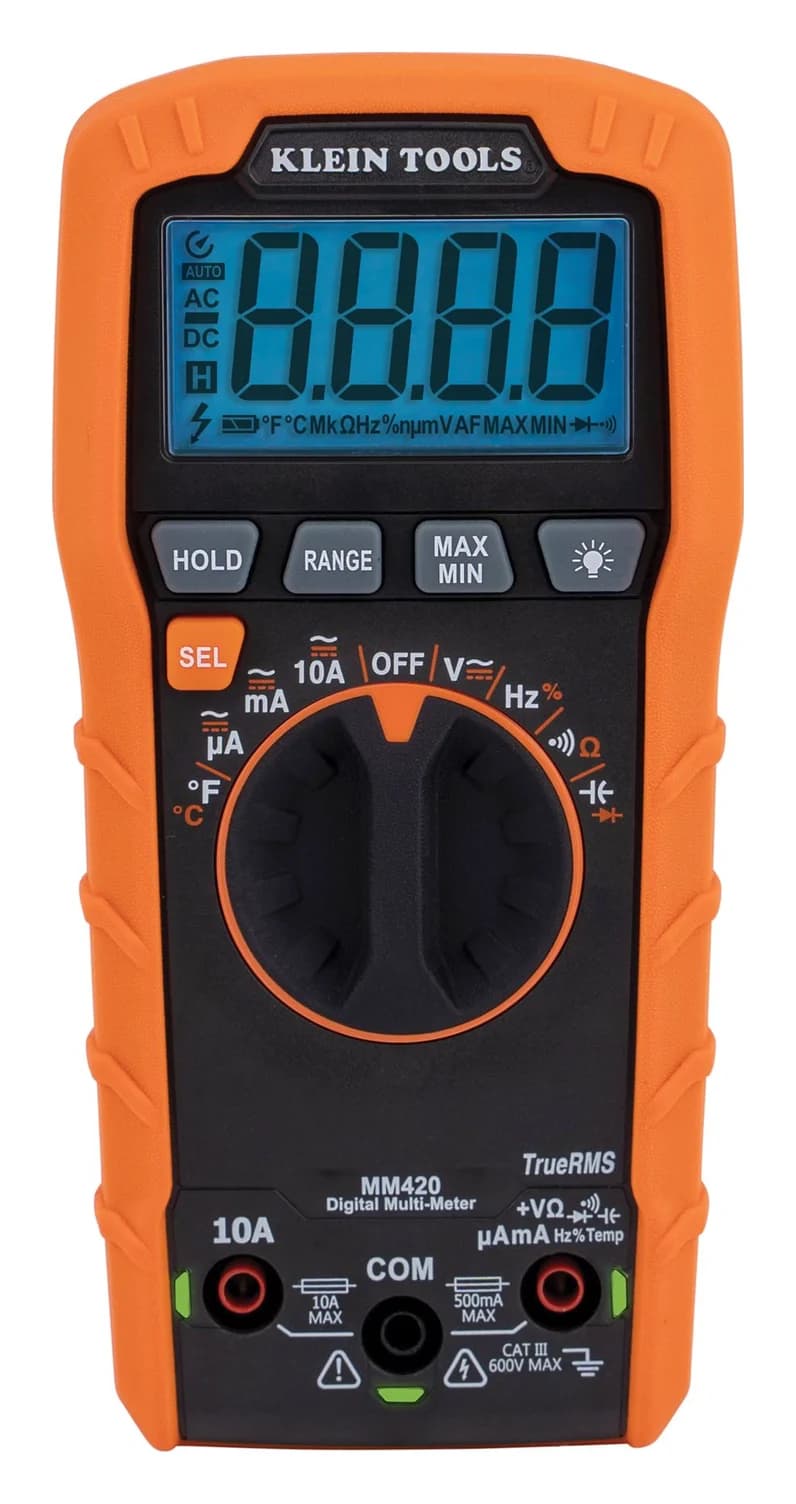
Check before buying: Rated CAT III 600V: not for service-entrance (CAT IV) work
For an electrical engineer who works with USB-C, our easiest small gift pick is the Plugable USBC-VAMETER3: it displays volts, amps and calculated watts without sending the recipient to a computer to read them. For a larger gift, choose the capability missing from their bench: PicoScope 2204A with probes for analogue waveforms, Saleae Logic 8 for digital buses, or miniDSP UMIK-1 v2 for audio projects.
This shortlist is for electronics and firmware work. Start with the recipient's projects and existing tools; “engineer” alone is too broad a shopping brief. Specifications and packages below come from official maker documents, checked November 2, 2026.
Quick picks: compare the missing capability
Compare specifications and all conditions
Plugable USBC-VAMETER3
- Choose it for
- Seeing USB-C charging draw
- Useful maker specification
- On-screen volts, amps and watts; up to 240 W EPR
- Exact package or buying trap
- VAMETER3, not the older 100 W VAMETER
ChargerLAB POWER-Z KM003C
- Choose it for
- Investigating charging protocols and cables
- Useful maker specification
- E-marker, PDO and protocol tests; USB PD analysis
- Exact package or buying trap
- Check installed firmware and the PC software route
PicoScope 2204A with probes
- Choose it for
- A first analogue waveform setup
- Useful maker specification
- Two channels; 10 MHz bandwidth; 8 kS memory
- Exact package or buying trap
- PP906 is labelled with probes; PP917 is without
Saleae Logic 8, standard kit
- Choose it for
- Firmware and digital-bus debugging
- Useful maker specification
- Eight channels; SPI, I2C and Serial decoders
- Exact package or buying trap
- Basic Logic 8 differs from Logic Pro 8; sampling limits depend on active channels
miniDSP UMIK-1 v2
- Choose it for
- Speaker and room measurement
- Useful maker specification
- USB-C; 24-bit conversion at 48 kHz; individual calibration
- Exact package or buying trap
- Check the host-end cable and download that microphone's calibration files
Klein Tools MM420
- Choose it for
- Someone missing a multimeter
- Useful maker specification
- Auto-ranging True RMS; CAT III 600V as marked
- Exact package or buying trap
- Includes leads, thermocouple and batteries; check for duplication first
Full comparison table
Swipe to compare. Row labels stay visible.
| Gift | Choose it for | Useful maker specification | Exact package or buying trap |
|---|---|---|---|
| Plugable USBC-VAMETER3 | Seeing USB-C charging draw | On-screen volts, amps and watts; up to 240 W EPR | VAMETER3, not the older 100 W VAMETER |
| ChargerLAB POWER-Z KM003C | Investigating charging protocols and cables | E-marker, PDO and protocol tests; USB PD analysis | Check installed firmware and the PC software route |
| PicoScope 2204A with probes | A first analogue waveform setup | Two channels; 10 MHz bandwidth; 8 kS memory | PP906 is labelled with probes; PP917 is without |
| Saleae Logic 8, standard kit | Firmware and digital-bus debugging | Eight channels; SPI, I2C and Serial decoders | Basic Logic 8 differs from Logic Pro 8; sampling limits depend on active channels |
| miniDSP UMIK-1 v2 | Speaker and room measurement | USB-C; 24-bit conversion at 48 kHz; individual calibration | Check the host-end cable and download that microphone's calibration files |
| Klein Tools MM420 | Someone missing a multimeter | Auto-ranging True RMS; CAT III 600V as marked | Includes leads, thermocouple and batteries; check for duplication first |
Scroll horizontally to see every column
| Gift | Choose it for | Useful maker specification | Exact package or buying trap |
|---|---|---|---|
| Plugable USBC-VAMETER3 | Seeing USB-C charging draw | On-screen volts, amps and watts; up to 240 W EPR | VAMETER3, not the older 100 W VAMETER |
| ChargerLAB POWER-Z KM003C | Investigating charging protocols and cables | E-marker, PDO and protocol tests; USB PD analysis | Check installed firmware and the PC software route |
| PicoScope 2204A with probes | A first analogue waveform setup | Two channels; 10 MHz bandwidth; 8 kS memory | PP906 is labelled with probes; PP917 is without |
| Saleae Logic 8, standard kit | Firmware and digital-bus debugging | Eight channels; SPI, I2C and Serial decoders | Basic Logic 8 differs from Logic Pro 8; sampling limits depend on active channels |
| miniDSP UMIK-1 v2 | Speaker and room measurement | USB-C; 24-bit conversion at 48 kHz; individual calibration | Check the host-end cable and download that microphone's calibration files |
| Klein Tools MM420 | Someone missing a multimeter | Auto-ranging True RMS; CAT III 600V as marked | Includes leads, thermocouple and batteries; check for duplication first |
Use this decision path:
Charging question
Choose Plugable for visible power readings, or KM003C when the requested capability is protocol investigation.
Waveform question
Consider the PicoScope when the recipient wants to inspect analogue signals and lacks a suitable scope.
Firmware question
Consider Logic 8 when the missing capability is digital-bus capture and decoding.
Audio question
Consider UMIK-1 v2 when the project is speaker or room measurement.
Best small charging gift: Plugable USBC-VAMETER3
Choose this for someone who wants to see what a USB-C charging connection is doing. Plugable's display explanation confirms that voltage, current and calculated wattage appear on the screen. That makes it our straightforward choice for visible charging readings; choose the KM003C below when the recipient specifically asks for protocol analysis.
Plugable
A thumb-size inline USB-C meter that shows volts, amps, watts and the direction of current on an OLED screen while passing data, video and USB PD 3.1 EPR power up to 240 W.
Check package and model options
- 240 W max
- 50 V max
- 6.5 A max
Match the suffix. Plugable's model comparison distinguishes the original USBC-VAMETER, designed for up to 100 W, from USBC-VAMETER3, designed for PD Revision 3.1 EPR up to 240 W, spanning 5–48 V at up to 5 A. Those are supported charging limits, not a promise that a connected device will draw that power.
Check the connectors. Plugable explicitly says these meters are for USB-C and incompatible with USB-A. Skip this gift if the intended task is USB-A equipment; an adapter is not a substitute for matching the supported connection.
Best for charging diagnosis: ChargerLAB POWER-Z KM003C
The KM003C is our pick when the recipient wants information about charging negotiation and cables. POWER-Z's current product page lists E-marker, PDO and protocol tests, a USB PD protocol analyzer, and an additional USB-C HID port for PC connection and power. These are the concrete reasons to choose it over a simple display meter.
ChargerLAB
A USB-C power tester and USB PD protocol analyzer rated to 50 V and 6 A (240 W in PD) that reads cable e-markers, lists a charger's power profiles, detects and triggers fast-charge protocols, and logs to PC software.
Check package and model options
- 240 W max
- 50 V max
- 6 A max
- USB PD 3.2 (EPR, AVS), QC4+, QC5, AFC, FCP, SCP, PE, UFCS and more
Firmware matters. The current product page advertises PD3.2, while ChargerLAB's update instructions still call the hardware a PD3.1 tester. The same update history records the addition of PD 3.2 packet capture in PC software. Read that as a reason to verify the installed tester firmware and matching PC application, rather than treating an older listing title as the complete capability list.
The maker says updates require PC software. Before gifting it to a Mac or Linux user, confirm a working software route for the analysis and update functions they want; the cited instructions do not establish native support for those systems. For a broader comparison, use our USB-C power meter guide.
Best first waveform gift: PicoScope 2204A with probes
Choose the 2204A for a recipient missing a modest analogue scope, after confirming its limits fit the project. Pico's model configurator specifies two channels, 10 MHz bandwidth and 8 kS memory. Its maximum real-time sampling rate is 100 MS/s, shared between active channels, according to the model table on the series page. Do not transfer the series' larger headline specifications to this entry model.
Order a complete probe package. The configurator identifies PP906 as probes included and PP917 as no probes; the overview describes optional switchable 60 MHz probes. Have the seller confirm a matched pair for the two inputs, including the probe models, before ordering it as a complete gift.
Check the software release. Pico includes its scope software and serial decoders without additional decoder licences. Its product page lists Windows, macOS and Linux, but names older OS versions than its current downloads page. Check the exact release requirements, especially for an older computer, instead of relying on a generic compatibility badge.
Skip this pick if the recipient already has a suitable scope or needs more bandwidth or capture memory. Our USB oscilloscope guide is the next step before choosing a larger instrument.
Choose the 2204A package at Pico
Best for firmware work: Saleae Logic 8
Choose Logic 8 when digital traffic is the missing capability. Saleae's product page describes eight channels and built-in decoders including SPI, I2C and Serial, alongside analogue recording. Our recommendation is the black standard kit, rather than assuming a bare analyzer is a complete present.
The included-components page specifies two four-channel harnesses, 16 micro-gripper hooks, a case and a USB 2.0 Micro cable. Check those items on the order. Saleae's current product page also names a distributor route; follow the maker's regional purchasing link and check the exact model and delivery destination.
Check the sampling configuration. Saleae's capture-limit explanation limits 100 MS/s to three or fewer digital channels with analogue capture disabled. Confirm the rate available at the recipient's required simultaneous channel count.
Resolve voltage requirements before purchase. Saleae's electrical support page describes fixed thresholds for Logic 8, but its marketing comparison labels thresholds selectable. Those official descriptions disagree. Confirm the hardware revision and required signal levels with Saleae; do not assume the basic model offers the Pro model's threshold controls.
Logic 2 has Windows, Mac and Linux versions. Match the exact OS release and architecture on Saleae's support page and downloads. Use our logic analyzer guide for the deeper channel, voltage and sampling decision.
Match the standard Logic 8 kit at Saleae
Best for audio projects: miniDSP UMIK-1 v2
The UMIK-1 v2 is our choice for an engineer working on speakers or room acoustics. miniDSP's product page describes an individually calibrated USB measurement microphone, with driverless Windows, Mac and Linux support. It lists 24-bit conversion at 48 kHz and includes a mini tripod, windscreen and 1.5 m USB-A-to-USB-C cable.
USB-C describes the microphone end. A USB-C-only computer needs a compatible connection: miniDSP's setup guide shows using a USB-C-to-USB-C cable or a hub with the supplied cable. Its comparison separates the original UMIK-1's Mini-B connector from the v2's USB-C connector. UMIK-2 is a separate model with different sample-rate support, not another name for the v2.
Calibration is part of the gift. Download the files for the serial number on the actual microphone. miniDSP supplies on-axis and 90-degree files for different orientations; use the one appropriate to the measurement. Include the maker's setup link with the present so the recipient can find the correct files.
miniDSP recommends the free Room EQ Wizard software and explains that a measurement setup also needs audio output to the system being measured. Give this to someone who wants that workflow. For a recipient who wants a handheld noise-checking instrument instead, start with our sound level meter guide.
Check the UMIK-1 v2 package at miniDSP
Best if they lack a multimeter: Klein Tools MM420
The MM420 is a sensible first-meter gift only after checking what the recipient already owns. Klein's official specifications list auto-ranging True RMS, a CAT III 600V marking, and measurements including resistance, continuity, temperature, capacitance and frequency.
Klein Tools
A 4,000-count auto-ranging True RMS multimeter rated CAT III 600V that measures up to 600 V and 10 A, plus temperature, capacitance, frequency and duty cycle.
Check package and model options
- 600 V max
- 10 A max
- 4,000 counts
- CAT III 600V
Test leads, a thermocouple and batteries are included. That makes a useful starting package, but it is a poor surprise upgrade for someone whose existing meter already meets their needs. Compare the required functions in our multimeter buying guide before replacing a working instrument.
How we choose
This is a document-based shortlist, without physical product testing. We matched official specifications, software requirements and package contents to different bench tasks, and kept disagreements between the makers' own pages visible. These are editorial picks by use case, not a measured performance ranking. Our selection method explains the approach.
Before buying: the recipient checklist
Get a photograph or written list of the recipient's existing instruments and computer details. Record the intended task, signal levels and required channels, then check the relevant maker documentation linked above.
- Yes: Exact computer OS release and architecture checked against the software download
- Yes: Required signal levels and simultaneous channels confirmed
- Yes: Leads, probes, clips and host cable checked in the selected package
- Yes: Software installation permission and any required licence confirmed
- Partly: Already owns the capability: use their exact accessory or consumable wish list
- No: Unknown instrument model or connector: do not guess a replacement accessory
For a bench that is already equipped, a requested consumable or compatible accessory can be a better fit than another instrument. Ask for a part number and quantity; do not invent an extra purchase just to enlarge the present.
Black Friday and Cyber Monday: match the package
Save the exact model, generation, kit contents and required software before comparing offers. Recheck those fields when a seller changes the bundle or colour selection. For Saleae, preserve the full basic-versus-Pro model name; for Pico, preserve the probes-included choice; for UMIK-1, preserve the connector generation. A different package is a different purchase decision, whatever the promotion calls it.
Verdict
Pick Plugable for visible USB-C charging readings and KM003C for protocol investigation. Buy the PicoScope or Logic 8 only after confirming the missing waveform or digital-bus capability, and reserve UMIK-1 v2 for an audio project. The best gift is the complete package that fits the recipient's next task; if they already own it, follow their accessory wish list.
Frequently asked questions
What is a useful gift for an electrical engineering student?
Start with their course equipment list and what they already own. If they need a multimeter, the Klein MM420 includes leads, a thermocouple and batteries. If they already have that capability, consider the PicoScope 2204A with probes for waveform work, or Saleae Logic 8 for digital-bus work. Confirm the computer and exact kit before buying.
Should I give an oscilloscope or a logic analyzer?
Choose the PicoScope for someone asking to inspect analogue waveforms; choose Logic 8 for someone debugging digital traffic such as SPI or I2C. Saleae includes protocol decoders and also records analogue signals, so there is overlap. The gift decision should follow the recipient's actual task, required bandwidth and simultaneous channel count rather than the instrument's name alone.
Will these gifts work with a Mac or Linux computer?
PicoScope software and Saleae Logic 2 have Mac and Linux versions, and miniDSP lists driverless Windows, Mac and Linux support for UMIK-1. That does not establish compatibility with every OS release. Check the current download requirements and computer architecture; Pico's product and download pages list different OS versions. For KM003C PC analysis or updates, confirm the supplied software supports the recipient's computer.
What should I buy for an engineer who already has the instruments?
Use their exact accessory or consumable wish list instead of guessing another instrument. Ask for the instrument model, connector, lead or probe specification, and desired quantity. The standard Logic 8 kit already includes harnesses and hooks, and the UMIK-1 includes a mini tripod, so buying generic extras without checking can duplicate what is already in the box.
Plugable USBC-VAMETER3
AmazonRelated guides
Comparison · Multimeters
Fluke 101 vs 107: Current Ranges, Backlight and Regional Support
Compare the Fluke 101 and 107 by current inputs, backlight, accuracy and kit contents, with manual references and regional warranty checks before you buy.
Comparison · USB-C Power Meters
AVHzY CT-3 vs POWER-Z KM003C: Which USB Multimeter and Load Kit?
Compare AVHzY CT-3 and POWER-Z KM003C USB multimeters for EPR, offline logging, PC software and load kits. Avoid accessory mismatches and voltage-limit traps.
Best picks
Best Anemometers for Vents, Ducts and Outdoor Air Speed
Choose an anemometer for exposed vents, narrow ducts or outdoor wind checks. Compare probe sizes, low-speed limits, accuracy, calibration and complete packages.